By Dr. Amel Slim, Child Psychologist • Updated on September 22, 2026
Key Takeaways :
– False Relaxation : Handing over a tablet after school does not rest a child’s tired mind; rapid animations and blue light actually prolong cognitive exhaustion.
– The Dopamine Crash : High-frequency digital stimulation triggers sudden dopamine spikes followed by steep drops, causing intense afternoon meltdowns when the device is switched off.
– The Audio Buffer : Personalized audio stories provide an ideal mental decompression zone, gently engaging imagination without eye strain or nervous agitation.
When children walk through the front door after a long school day, they are often overwhelmed, irritable, or unusually hyperactive. Having spent six to seven hours sitting still, following strict social rules, and processing complex lessons, their mental fuel tank is running on empty. For many well-meaning parents, handing them a smartphone or tablet feels like the quickest way to help them unwind while gaining a few minutes of quiet.
However, when screen time ends, familiar chaos ensues: tears, screaming matches, and fierce resistance to homework or family dinner. Why does a supposedly relaxing activity consistently turn into an emotional storm? And how can you establish a genuine, restorative decompression routine that leaves your child calm and happy without relying on screens?
1. The Science: Why After-School Screen Time Worsens Nervous Exhaustion
Digital screens do not rest an exhausted young brain; they flood the nervous system with sensory stimuli that block genuine cognitive recovery.
Throughout the school day, children continuously exert their prefrontal cortex—the command center responsible for focus, impulse control, and emotional self-regulation. By late afternoon, this vital region experiences temporary physiological depletion, a state known in pediatric neuropsychology as ego depletion or inhibitory fatigue.
The Illusion of Calm
When a child sits mesmerized before a screen, they may appear still and peaceful. But neuroscience reveals that this stillness is merely motor passivity:
- Passive Attention Capture : The child’s conscious will is suspended; their attention is hijacked by high-contrast colors, rapid frame cuts, and jarring sound effects.
- Sensory Overload : Research highlighted by the American Academy of Pediatrics (AAP) emphasizes that fast-paced digital media taxes visual processing circuits rather than allowing them to recharge.
- Interrupted Memory Consolidation : To properly anchor what was taught during the day, the brain requires quiet idle time—the exact mental rest outlined in our guide on how to boost your child’s focus and memory for back to school. Screens completely disrupt this memory consolidation cycle.
Dopamine Spikes and After-Screen Meltdowns
Video games and short clips trigger surges of dopamine in the brain’s reward pathway. When parents ask for the device back, dopamine levels plummet instantly. Stripped of this artificial pleasure chemical and lacking the self-regulation stamina spent at school, the child’s nervous system enters a fight-or-flight crisis: an explosive meltdown follows.
2. The 3-Step After-School Decompression Bridge
A gentle after-school routine relies on three restorative pillars: physical recharge, emotional reconnection, and sensory calming.
To avoid the 5 PM tablet trap, child psychologists recommend structuring the after-school transition so children know exactly what to anticipate each day.
Step 1: Healthy Snack and Physical Release (15 to 20 minutes)
Before asking about tests, homework, or chores, let your child restore physical energy:
- Offer a nourishing snack featuring complex carbs, protein, and magnesium (fresh fruits, nuts, yogurt, whole-grain bread).
- Encourage gross motor movement: let them stretch, run in the yard, bounce a ball, or simply lie down comfortably without adult directives.
Step 2: Connection Time
Separation throughout the school day naturally builds subtle emotional insecurity. As explored in our insights on how to soothe separation anxiety with bedtime stories, five minutes of undivided parental presence, a warm hug, and an empathetic question like “What made you smile today?” refill their emotional cup.
Step 3: Immersive Audio Relaxation
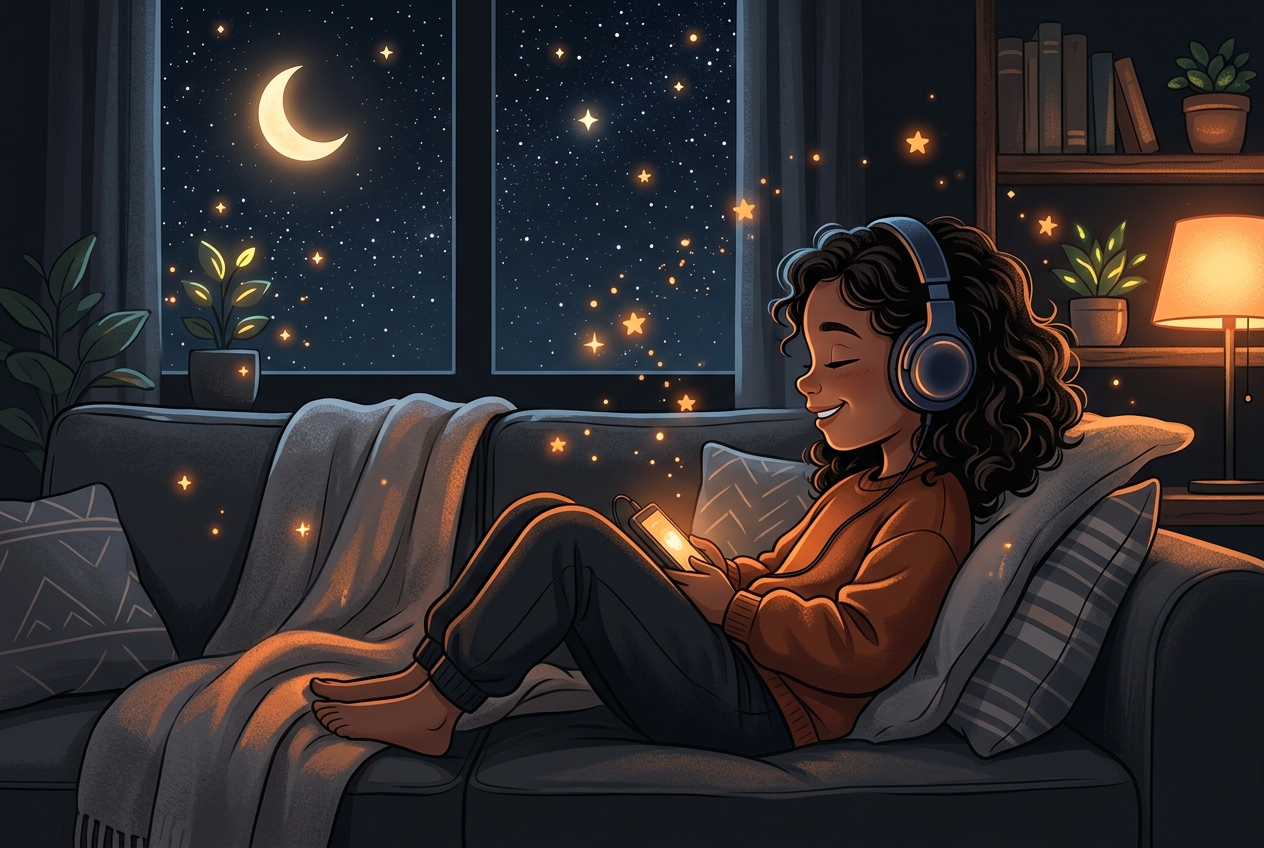
This is where the screen alternative shines. Dim the bedroom lighting, set up a comfortable listening nook, and let your child listen to a custom audio tale. Sound softly engages auditory cortex pathways without demanding screen interaction, lowering heart rates and setting a tranquil tone for the evening.
3. Audio Storytelling: The Healthiest Alternative to Post-School Screens
Audio stimulates active imagination, enhances linguistic nuance, and induces alpha brainwaves associated with deep relaxation and calm alertness.
Unlike animated screens that dictate every visual detail, audio storytelling prompts the child to paint their own mental scenery. It stands out as one of the most effective creative screen-free alternatives to keep kids engaged.
How Ahkili Empowers Everyday After-School Transitions
The Ahkili app gives parents the unique capability to generate tailored audio adventures matching their child’s specific emotional state:
- Relatable Child Heroes : By starring as the protagonist, your child can navigate playful allegories that mirror their schoolyard experiences, building resilience and confidence.
- Calming Narration Voices : Specially tuned storytelling voices deliver comforting rhythms that soothe weary minds, mirroring how custom tales calm children’s minds.
- Zero Blue Light : The device can remain locked or placed out of view, ensuring natural circadian rhythms and evening melatonin secretion remain intact.
Comparison: After-School Screens vs. Audio Stories vs. Free Play
| Evaluation Factor | Tablet & Video Clips | Personalized Audio Tale (Ahkili) | Unstructured Free Play / Drawing |
|---|---|---|---|
| Impact on Prefrontal Cortex | Cognitive overload and heightened mental strain | Restorative rest paired with gentle creativity | Natural emotional regulation and motor relaxation |
| Meltdown Risk When Stopping | High (sharp dopamine withdrawal) | Minimal (gentle, satisfying narrative closure) | Low (smooth transitions to dinner) |
| Impact on Sleep Latency | Negative (blue light inhibits melatonin release) | Positive (eases evening nervous tension) | Neutral to positive |
| Language & Vocabulary Building | Superficial and passive | High (rich auditory modeling and vocabulary) | Variable (depends on adult involvement) |
Frequently Asked Questions (FAQ)
My child demands the tablet the moment they come home. How can I say no without tears?
Acknowledge their fatigue with empathy: explain that their brain worked hard all day and deserves real relaxation. Pair the boundary with an exciting alternative: an afternoon snack followed by a custom Ahkili story where they choose the hero and the quest.
How much recreational screen time is healthy on school days?
Pediatric guidelines advise limiting recreational screens to under 30 minutes on school nights, ideally keeping late afternoons and the hour before bedtime entirely screen-free to protect emotional stamina and sleep quality.
Why does audio calm an agitated child better than background music?
A structured narrative guides wandering thoughts into a soothing story arc, giving the nervous system a focal point that downregulates cortisol far more effectively than instrumental melodies alone.
Should homework be finished before or after the audio relaxation break?
Always insert the decompression break first. A 15-minute snack and audio story resets cognitive bandwidth, allowing your child to tackle school assignments with renewed focus and minimal frustration.
How do I use Ahkili practically without my child staring at the phone?
Simply open the app, choose their custom prompt in seconds, hit play, and place the smartphone face down or connect it to a Bluetooth speaker. Your child enjoys the magic entirely screen-free.
This article was written in collaboration with Dr. Amel Slim, child psychologist specializing in pediatric cognitive and language development, and pedagogical advisor for Ahkili.

