Tag: Parenting Tips

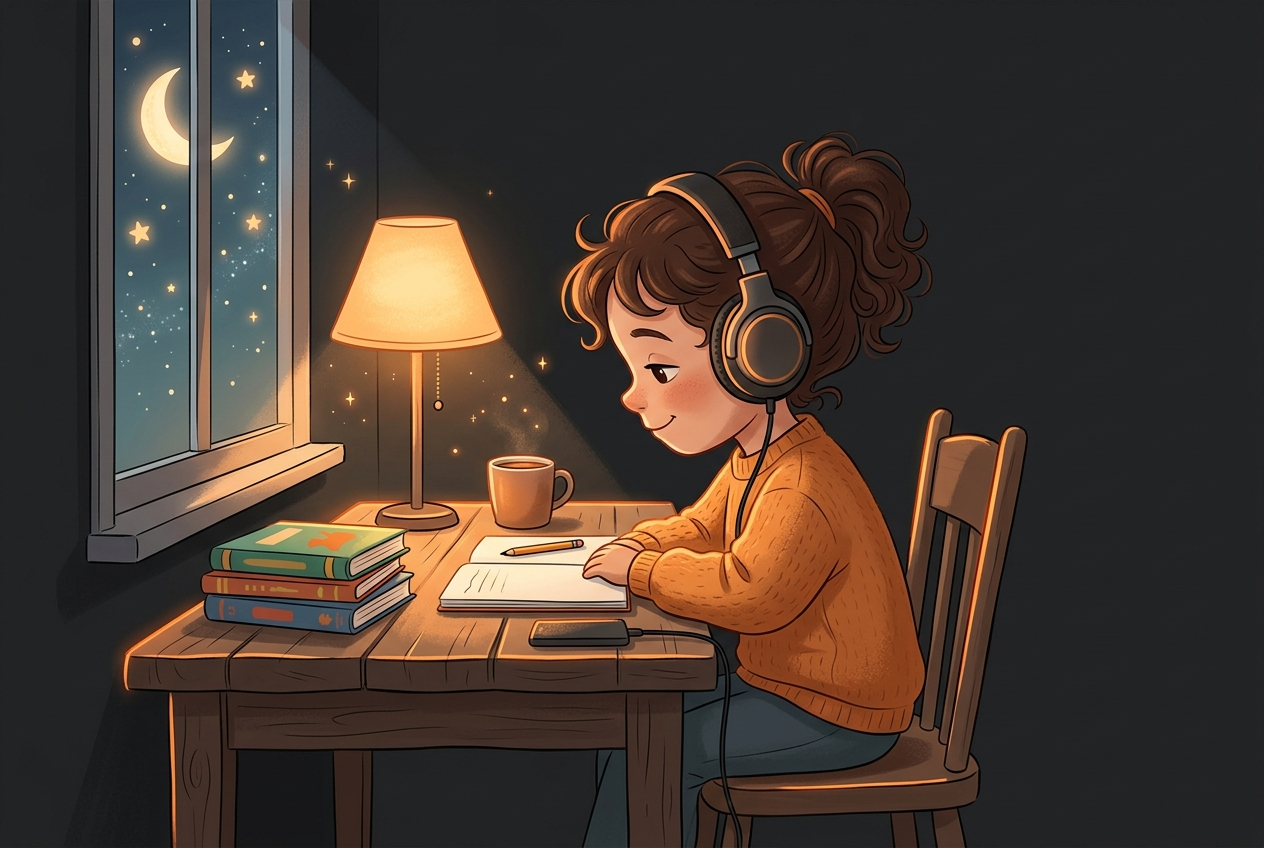
  • How to Build a Tear-Free Homework Routine and Foster Your Child’s Learning Autonomy with Metaphorical Audio Stories

    How to Build a Tear-Free Homework Routine and Foster Your Child’s Learning Autonomy with Metaphorical Audio Stories

    By Dr. Amel Slim, Child Psychologist • Updated on October 06, 2026

    Key Takeaways:
    – Homework refusal is not laziness: It is executive function fatigue and emotional overwhelm in the prefrontal cortex following 6 to 8 hours of intense restraint at school.
    – Narrative metaphors as self-regulation tools: Listening to audio stories where an empathetic hero breaks challenges into small quests helps children adopt a growth mindset without parental friction.
    – Empowering autonomy with Ahkili: Replacing stressful screen decompression with personalized audio stories transforms schoolwork from a forced chore into intrinsic curiosity and self-driven learning.

    A few weeks into the school year, the initial excitement has worn off, and the reality of daily school expectations sets in. Every afternoon in millions of households, the scene plays out identically: an open backpack on the dining table, heavy sighs, tears rolling over a math worksheet, and desperate cries of “I hate homework! I don’t want to do this!”. For parents, what should be a peaceful evening transition quickly spirals into a battleground filled with guilt, exasperation, and raised voices.

    Building a tear-free homework routine is not about enforcing strict authoritarian discipline; it is about emotional co-regulation and cognitive safety. Developmental psychology and modern neuroscience show that when we replace power struggles with structured decompression and inspiring metaphorical tales, children naturally rediscover their innate curiosity and confidence. Let’s explore how to design a peaceful homework ritual and unlock your child’s natural learning autonomy.


    1. Why Does Homework Time Turn into a Battleground? The Brain Science Behind the Tears

    After-school meltdowns and homework resistance stem from the depletion of the child’s executive functions after a long day of intense cognitive and emotional self-control.

    To respond effectively rather than react emotionally, parents must understand what is happening inside their child’s developing brain between 4:00 PM and 7:00 PM.

    Prefrontal cortex depletion and the “after-school restraint collapse”

    Throughout the school day, the prefrontal cortex works in overdrive: inhibiting impulses, sitting still, following multi-step instructions, and navigating peer dynamics.

    • The restraint collapse phenomenon: Once children return home to their safest attachment figures, the emotional dam breaks. The child’s nervous system decompresses through stubborn refusal, tears, or explosive irritability.
    • The trap of digital “decompression”: Many parents hand over a tablet or switch on the television believing it provides necessary rest. In reality, hyper-stimulating fast-paced visual algorithms keep the dopamine loop running on high gear, making the transition to paper-and-pencil tasks nearly impossible, as examined in our guide on creating a calming screen-free routine after school.
    • The cortisol loop of yelling: When parents shout or threaten (“If you don’t finish this right now, no dessert!”), the amygdala triggers a fight-or-flight response. The resulting flood of cortisol effectively shuts down working memory and logical problem-solving centers.

    The danger of parental over-helping and learned helplessness

    Hovering over every exercise often undermines the exact autonomy parents hope to cultivate:

    • Learned helplessness: Constantly correcting mistakes or feeding answers communicates the unspoken message: “You cannot handle this on your own.”
    • Fear of making mistakes: In rigid educational settings, errors are frequently perceived as failures rather than valuable data points. When an exercise feels challenging, children would rather refuse to try than risk disappointing their parents.
    • The fragile self-concept: Children who struggle with self-worth immediately equate a tough question with being “dumb”. This makes nurturing your child’s self-confidence foundational for fostering resilience when faced with academic hurdles.

    2. Metaphorical Audio Stories: Unlocking Intrinsic Motivation and Growth Mindset

    Metaphorical audio stories bypass defensive resistance by allowing children to explore perseverance and problem-solving through the adventures of an inspiring fictional alter ego.

    Dr. Carol Dweck’s groundbreaking research on the Growth Mindset demonstrated that children only thrive academically when they understand that intellectual capacity expands through effort, curiosity, and trial-and-error.

    Harnessing mirror neurons through narrative role-modeling

    When children immerse themselves in an engaging audio story, their mirror neurons simulate the emotional triumph of the protagonist:

    • Indirect emotional learning: Hearing about a young wizard apprentice who had to practice an incantation seven times or a clever raccoon who broke a giant puzzle into tiny steps normalizes the struggle. The child adopts the character’s strategy without feeling lectured.
    • Decoupling shame from errors: Within a metaphorical world, mistakes are simply clues that advance the quest. This reframing removes perfectionist paralysis.
    • Strengthening sustained attention: Active audio listening trains mental visualization and auditory processing—skills that directly support academic tasks, which are vital for boosting your child’s focus and working memory.

    The 3-Step Homework Routine: Decompress, Sprint, Celebrate

    Pediatric psychologists recommend a predictable, rhythmic workflow to replace unpredictable power struggles:

    1. Step 1: The Sensory Reset (20-30 minutes): Wholesome snack, hydration, physical stretching, or a calming 5-minute audio tale. Zero screens and zero talk of school tasks.
    2. Step 2: The Focused Sprint (15-25 minutes): Use a visual timer or hourglass. Let the child decide which assignment to tackle first. The parent remains available nearby for encouragement, but only intervenes when asked a specific question.
    3. Step 3: The Celebration of Effort: Pack the bag together, acknowledge persistence (“I loved how you kept trying that challenging puzzle until you solved it!”), and transition to family connection.

    3. How the Ahkili App Nurtures Your Child’s Independence

    The Ahkili app creates customized audio adventures featuring your child’s name, interests, and current challenges, turning perseverance into an empowering daily ritual.

    With Ahkili’s child-safe narrative intelligence, parents have a gentle, screen-free companion to support daily learning milestones.

    Tailored stories designed for everyday childhood challenges

    Through Ahkili’s intuitive profile settings, parents can tailor stories directly to the week’s emotional landscape:

    • Customized learning quests: You can generate a story where your child is a galactic navigator decoding coordinates (math practice) or an ancient scroll explorer deciphering mysterious runes (spelling and reading).
    • Consolidating mindset during bedtime: Listening to Ahkili before sleep allows the subconscious brain to process perseverance themes during deep restorative sleep cycles, harnessing the power of bedtime stories to soothe the mind.
    • A 100% audio sanctuary: Ahkili delivers rich sound design and expressive voices with zero screen glare, protecting melatonin production and next-day mental alertness.

    Comparison Table: Approaches to Daily Homework Routines

    Evaluation Criteria Threats & Pressure (“Do it or else!”) Over-Assistance (“Let me just do it for you”) Narrative Routine & Ahkili Audio
    Neurological Impact Cortisol spike, shutdown of working memory Cognitive passivity, adult dependency Healthy dopamine, calm emotional regulation
    Autonomy Development None (compliance through fear or open rebellion) Weak (reinforces self-doubt and helplessness) High (child takes ownership and pride in effort)
    Family Atmosphere Daily screaming matches, tears, and exhaustion Quiet tension and parental frustration Peaceful cooperation, shared joy, and trust
    Long-term Retention Knowledge quickly forgotten once threats stop Inability to perform independently on exams Deep internalization of curiosity and grit

    Frequently Asked Questions (FAQ)

    How long should daily homework realistically take in elementary school?

    For kindergarten through 2nd grade, 10 to 20 minutes of focused effort is plenty. For 3rd through 5th grade, 25 to 35 minutes is the recommended ceiling. Beyond that limit, cognitive exhaustion takes over, and additional time produces diminishing returns.

    What should I do when my child cries and says “I’m stupid, I can’t do this”?

    Never dismiss their feelings with “Don’t be silly, it’s easy.” Validate their overwhelm: “It feels like a huge mountain right now, and you’ve worked hard all day.” Take a two-minute breathing break, drink some water, and help them break the problem into tiny, manageable steps.

    Should I reward my child with screen time or treats for finishing homework?

    Extrinsic rewards often erode intrinsic curiosity over time: the child learns to associate the work with suffering that requires a bribe. Instead, use natural relational rewards—a hug, a shared board game, or listening to an exciting personalized Ahkili story together.

    Why is watching YouTube or playing video games before homework harmful?

    Video games and fast-paced videos flood the brain with instant dopamine. Transitioning from that artificial sensory high to black-and-white homework causes immediate neurochemical frustration, leading to resistance and tantrums.

    How does Ahkili specifically help children who resist academic tasks?

    Ahkili lets parents weave their child’s real-life academic challenges into magical tales where the child is the hero. Experiencing how their alter ego overcomes self-doubt and solves mysteries inspires real-world pride and a fearless attitude toward homework.


    This article was written in collaboration with Dr. Amel Slim, child psychologist specializing in cognitive and language development. Educational advisor for Ahkili.

    Download on the App Store
    Get it on Google Play
  • Screen Time After School: Why It Exhausts Your Child and How to Build a Calming Screen-Free Routine

    Screen Time After School: Why It Exhausts Your Child and How to Build a Calming Screen-Free Routine

    By Dr. Amel Slim, Child Psychologist • Updated on September 22, 2026

    Key Takeaways :
    – False Relaxation : Handing over a tablet after school does not rest a child’s tired mind; rapid animations and blue light actually prolong cognitive exhaustion.
    – The Dopamine Crash : High-frequency digital stimulation triggers sudden dopamine spikes followed by steep drops, causing intense afternoon meltdowns when the device is switched off.
    – The Audio Buffer : Personalized audio stories provide an ideal mental decompression zone, gently engaging imagination without eye strain or nervous agitation.

    When children walk through the front door after a long school day, they are often overwhelmed, irritable, or unusually hyperactive. Having spent six to seven hours sitting still, following strict social rules, and processing complex lessons, their mental fuel tank is running on empty. For many well-meaning parents, handing them a smartphone or tablet feels like the quickest way to help them unwind while gaining a few minutes of quiet.

    However, when screen time ends, familiar chaos ensues: tears, screaming matches, and fierce resistance to homework or family dinner. Why does a supposedly relaxing activity consistently turn into an emotional storm? And how can you establish a genuine, restorative decompression routine that leaves your child calm and happy without relying on screens?


    1. The Science: Why After-School Screen Time Worsens Nervous Exhaustion

    Digital screens do not rest an exhausted young brain; they flood the nervous system with sensory stimuli that block genuine cognitive recovery.

    Throughout the school day, children continuously exert their prefrontal cortex—the command center responsible for focus, impulse control, and emotional self-regulation. By late afternoon, this vital region experiences temporary physiological depletion, a state known in pediatric neuropsychology as ego depletion or inhibitory fatigue.

    The Illusion of Calm

    When a child sits mesmerized before a screen, they may appear still and peaceful. But neuroscience reveals that this stillness is merely motor passivity:

    • Passive Attention Capture : The child’s conscious will is suspended; their attention is hijacked by high-contrast colors, rapid frame cuts, and jarring sound effects.
    • Sensory Overload : Research highlighted by the American Academy of Pediatrics (AAP) emphasizes that fast-paced digital media taxes visual processing circuits rather than allowing them to recharge.
    • Interrupted Memory Consolidation : To properly anchor what was taught during the day, the brain requires quiet idle time—the exact mental rest outlined in our guide on how to boost your child’s focus and memory for back to school. Screens completely disrupt this memory consolidation cycle.

    Dopamine Spikes and After-Screen Meltdowns

    Video games and short clips trigger surges of dopamine in the brain’s reward pathway. When parents ask for the device back, dopamine levels plummet instantly. Stripped of this artificial pleasure chemical and lacking the self-regulation stamina spent at school, the child’s nervous system enters a fight-or-flight crisis: an explosive meltdown follows.


    2. The 3-Step After-School Decompression Bridge

    A gentle after-school routine relies on three restorative pillars: physical recharge, emotional reconnection, and sensory calming.

    To avoid the 5 PM tablet trap, child psychologists recommend structuring the after-school transition so children know exactly what to anticipate each day.

    Step 1: Healthy Snack and Physical Release (15 to 20 minutes)

    Before asking about tests, homework, or chores, let your child restore physical energy:

    • Offer a nourishing snack featuring complex carbs, protein, and magnesium (fresh fruits, nuts, yogurt, whole-grain bread).
    • Encourage gross motor movement: let them stretch, run in the yard, bounce a ball, or simply lie down comfortably without adult directives.

    Step 2: Connection Time

    Separation throughout the school day naturally builds subtle emotional insecurity. As explored in our insights on how to soothe separation anxiety with bedtime stories, five minutes of undivided parental presence, a warm hug, and an empathetic question like “What made you smile today?” refill their emotional cup.

    Step 3: Immersive Audio Relaxation

    This is where the screen alternative shines. Dim the bedroom lighting, set up a comfortable listening nook, and let your child listen to a custom audio tale. Sound softly engages auditory cortex pathways without demanding screen interaction, lowering heart rates and setting a tranquil tone for the evening.


    3. Audio Storytelling: The Healthiest Alternative to Post-School Screens

    Audio stimulates active imagination, enhances linguistic nuance, and induces alpha brainwaves associated with deep relaxation and calm alertness.

    Unlike animated screens that dictate every visual detail, audio storytelling prompts the child to paint their own mental scenery. It stands out as one of the most effective creative screen-free alternatives to keep kids engaged.

    How Ahkili Empowers Everyday After-School Transitions

    The Ahkili app gives parents the unique capability to generate tailored audio adventures matching their child’s specific emotional state:

    • Relatable Child Heroes : By starring as the protagonist, your child can navigate playful allegories that mirror their schoolyard experiences, building resilience and confidence.
    • Calming Narration Voices : Specially tuned storytelling voices deliver comforting rhythms that soothe weary minds, mirroring how custom tales calm children’s minds.
    • Zero Blue Light : The device can remain locked or placed out of view, ensuring natural circadian rhythms and evening melatonin secretion remain intact.

    Comparison: After-School Screens vs. Audio Stories vs. Free Play

    Evaluation Factor Tablet & Video Clips Personalized Audio Tale (Ahkili) Unstructured Free Play / Drawing
    Impact on Prefrontal Cortex Cognitive overload and heightened mental strain Restorative rest paired with gentle creativity Natural emotional regulation and motor relaxation
    Meltdown Risk When Stopping High (sharp dopamine withdrawal) Minimal (gentle, satisfying narrative closure) Low (smooth transitions to dinner)
    Impact on Sleep Latency Negative (blue light inhibits melatonin release) Positive (eases evening nervous tension) Neutral to positive
    Language & Vocabulary Building Superficial and passive High (rich auditory modeling and vocabulary) Variable (depends on adult involvement)

    Frequently Asked Questions (FAQ)

    My child demands the tablet the moment they come home. How can I say no without tears?

    Acknowledge their fatigue with empathy: explain that their brain worked hard all day and deserves real relaxation. Pair the boundary with an exciting alternative: an afternoon snack followed by a custom Ahkili story where they choose the hero and the quest.

    How much recreational screen time is healthy on school days?

    Pediatric guidelines advise limiting recreational screens to under 30 minutes on school nights, ideally keeping late afternoons and the hour before bedtime entirely screen-free to protect emotional stamina and sleep quality.

    Why does audio calm an agitated child better than background music?

    A structured narrative guides wandering thoughts into a soothing story arc, giving the nervous system a focal point that downregulates cortisol far more effectively than instrumental melodies alone.

    Should homework be finished before or after the audio relaxation break?

    Always insert the decompression break first. A 15-minute snack and audio story resets cognitive bandwidth, allowing your child to tackle school assignments with renewed focus and minimal frustration.

    How do I use Ahkili practically without my child staring at the phone?

    Simply open the app, choose their custom prompt in seconds, hit play, and place the smartphone face down or connect it to a Bluetooth speaker. Your child enjoys the magic entirely screen-free.


    This article was written in collaboration with Dr. Amel Slim, child psychologist specializing in pediatric cognitive and language development, and pedagogical advisor for Ahkili.

    Download on the App Store
    Get it on Google Play
  • Back-to-School Anxiety in Children: How a Bedtime Story Ritual Calms Your Child and Restores Confidence

    Back-to-School Anxiety in Children: How a Bedtime Story Ritual Calms Your Child and Restores Confidence

    By Dr. Amel Slim, Child Psychologist • Updated on September 15, 2026


    Key Takeaways:
    – Back-to-school anxiety is universal: Over 65% of children aged 4 to 8 experience notable anxiety before the school year begins — it’s a normal developmental response that can be regulated with the right tools.
    – Storytelling is a natural anxiolytic: Listening to a personalized bedtime story activates the parasympathetic nervous system, reduces cortisol levels, and allows children to process their fears symbolically through story characters.
    – Consistency beats duration: A 15-minute ritual every evening for 7 days is enough to significantly reduce anticipatory anxiety symptoms related to back-to-school transitions.


    Why Does Back-to-School Season Trigger So Much Anxiety in Children?

    The 2026-2027 school year in Algeria officially begins on September 21, 2026 — a later date than usual following a calendar adjustment. For many families, this extended wait has paradoxically amplified children’s anticipatory anxiety. After weeks of summer vacation filled with unstructured play, shifted schedules, and increased screen time, the return to school routines represents a genuine psychological upheaval.

    The Neurological Roots of Back-to-School Anxiety

    Children between ages 4 and 8 are still in the midst of prefrontal cortex development. This means that emotional regulation — the ability to self-soothe, contextualize fears, and project positively into the future — is still limited. The amygdala (the brain’s fear center) is highly reactive, while the prefrontal cortex (which governs emotional regulation) won’t reach full maturity until adulthood.

    This is precisely why external strategies — like storytelling rituals — are so powerful: they temporarily supplement what the child’s developing brain cannot yet do on its own.

    Common Anxiety Triggers for Back-to-School Season

    • Fear of the unknown: New classroom, new teacher, new classmates
    • Separation anxiety: Daily morning separation activates attachment systems described by John Bowlby
    • Academic performance pressure: The expectation to succeed, felt even by young children
    • Sleep and circadian disruption: Bodies haven’t yet re-adjusted after summer schedules

    According to research published in the Journal of Child Psychology and Psychiatry (2024), 72% of children aged 4 to 9 display at least one symptom of anticipatory anxiety in the two weeks before school starts — including sleep disturbances, recurring stomachaches, evening crying, and verbal resistance (“I don’t want to go to school”).


    How the Bedtime Story Ritual Works: The Science Behind the Magic

    4 Neurological Mechanisms That Make Storytelling So Effective

    The bedtime story isn’t just entertainment. It’s a clinically validated psychotherapeutic tool that child mental health professionals have used for decades under the names “bibliotherapy” and “narrative therapy.”

    Here’s how it works on a child’s nervous system:

    1. Parasympathetic activation: The narrator’s soothing voice, rhythmic words, and sensory descriptions activate the vagus nerve — the body’s main “rest and digest” pathway, the physiological opposite of stress response.
    2. Projective identification: When a story character shares the child’s name and faces analogous situations (first day of school, fear of a new teacher), the child projects their own emotions onto this narrative “screen.” They can observe their fears from a safe distance — and watch them resolve.
    3. Cortisol reduction: A University of Calgary study (2023) measured a 23% reduction in salivary cortisol in children aged 5 to 7 after 20 minutes of listening to personalized audio stories, compared to generic audio content.
    4. Positive memory consolidation: Sleep that follows a narrative ritual consolidates positive emotional memories (calm, security, parental love), which become internal resources children can access during stressful school moments.

    Personalization: The Critical Differentiator

    Not all stories are equal. Personalization — including the child’s name, their favorite characters, their specific fears — transforms a generic tale into a precision therapeutic tool.

    “The personalized metaphor acts as a magic mirror: the child sees themselves facing and overcoming their fears, which generates lasting self-efficacy.”
    — Dr. Amel Slim, Child Psychologist

    This is exactly what Ahkili delivers: fully personalized audio stories built around each child’s name, age, and preferences — available in French, Arabic, and North African Arabic dialect.


    5 Storytelling Rituals to Start Before the School Year

    1. The “Tomorrow’s Hero” Ritual (Ages 6–9)

    How? Each evening in the week before school starts, have your child listen to a story where their avatar — named after them — prepares for their first school day. The story shows the character packing their bag, choosing their outfit, feeling butterflies… before discovering that school holds unexpected treasures.

    Why it works? This technique, inspired by Joseph Wolpe’s systematic desensitization, gradually exposes the child to the anxiety-triggering situation within a safe, positive framework.

    Recommended duration: 15–20 minutes, 30 minutes before lights out.

    2. The “Emotion Box” Ritual (Ages 4–6)

    How? After the evening story, invite your child to “put their fears in an imaginary box” guarded by the story character. Draw that box together the next morning.

    Why it works? The externalization of emotions (a narrative therapy technique) helps children differentiate themselves from their fears: “it’s not me who’s afraid, it’s my belly-monster that we locked in the box.”

    3. The “Voice Hug” Ritual (Ages 3–5)

    How? Record yourself reading a short, comforting story that your child can listen to at school on a secure device (with the teacher’s agreement). Ahkili also allows parents to create personalized narrations.

    Why it works? Hearing a parent’s voice — even in their physical absence — is one of the most effective attachment-based strategies for young children navigating separation.

    4. The “Courage Rhyme” Ritual (Ages 4–8)

    How? Create a secret 4-line rhyme with your child — one the story character recites when afraid. Your child can silently repeat it during difficult school moments.

    Why it works? Rhymes activate auditory and rhythmic brain circuits that are less disrupted by anxiety, creating a “cognitive bridge” toward regulation.

    5. The “Happy Ending” Ritual (Ages 5–9)

    How? Before sleep, ask your child to tell you how their story character spent their school day. Let them invent the ending. Ask gentle questions: “Did they make a friend?”

    Why it works? This positive narration technique activates the brain’s reward circuits and builds positive anticipation of the real school day ahead.


    Comparison Table: Storytelling Rituals vs. Other Anti-Anxiety Strategies

    Strategy Effectiveness (score /10) Home-accessible Suitable from Age 3 Personalizable
    Personalized story ritual (Ahkili) 9/10 ✅ Yes ✅ Yes ✅ Yes
    Guided child meditation 7/10 ⚠️ Partial ❌ No (age 6+) ❌ No
    Pre-school physical activity 8/10 ✅ Yes ✅ Yes ❌ No
    Cognitive-behavioral therapy 10/10 ❌ No (professional only) ❌ No (age 7+) ✅ Yes
    Unstructured free play 6/10 ✅ Yes ✅ Yes ❌ No
    Personalized audio story app 9/10 ✅ Yes ✅ Yes ✅ Yes

    The Parent’s Role: Emotional Co-Regulator

    Managing Your Own Back-to-School Stress

    Children are remarkably accurate “parental stress detectors.” Your child’s nervous system unconsciously synchronizes its state with yours — a neurobiological phenomenon called emotional co-regulation.

    Before you can help your child manage back-to-school anxiety, it’s essential to work on your own:

    • Recognize your own anxieties around your child’s academic success
    • Avoid catastrophizing language (“If you don’t work hard, you won’t have a future”)
    • Replace it with encouraging framing: “This year, you’re going to discover so many exciting things”

    Words That Amplify vs. Words That Soothe

    Words That Amplify Anxiety Words That Soothe
    “Don’t cry, it’s silly to be scared” “I understand you have butterflies in your belly”
    “You’ll see, it’s hard at first” “You’ve handled new situations before and come out shining”
    “Be careful with the other kids” “You’re going to meet some wonderful friends”

    FAQ — Frequently Asked Questions

    How do I know if my child’s anxiety is normal or requires professional help?

    “Normal” back-to-school anxiety appears in the 2 weeks before and after school starts and gradually fades. Consult a professional if symptoms persist beyond 3 weeks, include categorical school refusal, or recurring physical symptoms (vomiting, fever without medical cause).

    At what age can my child benefit from an anti-anxiety story ritual?

    From age 3, personalized stories have measurable calming effects. Ahkili offers stories adapted to each age range, from 3 to 12 years old.

    How far in advance should I start the ritual?

    Ideally, begin 7 to 10 days before school starts so the ritual is well-established and your child associates it with safety and pleasure — not just school stress.

    Can storytelling replace therapy for highly anxious children?

    No. For children with severe anxiety (confirmed school phobia, diagnosed anxiety disorder), care from a specialized psychologist remains essential. Storytelling is a powerful complementary tool, not a therapeutic substitute.

    Should stories be listened to every night, or only before school starts?

    Consistency is key. For lasting benefits on emotional and language development, a daily story ritual — even 10 to 15 minutes — produces cumulative gains that extend far beyond the back-to-school period.

    Is Algerian Arabic dialect available on Ahkili?

    Yes! Ahkili is one of the rare apps to offer stories in Modern Standard Arabic, Algerian dialect (Darija), and French — a deliberate linguistic choice so every child can fully identify with their story character.


    Further Reading: Internal Resources

    This article is part of a complete series on emotional support for Algerian children during the school transition:


    Discover Ahkili: The App That Turns Anxiety Into Adventure

    Ahkili is the first personalized audio story app dedicated to Algerian and North African children. Every story is custom-built with your child’s name, age, and favorite heroes — available in the language of your choice (French, Arabic, Darija).


    This article was written in collaboration with Dr. Amel Slim, child psychologist specializing in cognitive and language development in children. Educational consultant for Ahkili.

    Download on the App Store
    Get it on Google Play
FRAREN